Key Takeaways
- For most people, red light therapy is considered low-risk when it's used as directed, because it is non-invasive, non-toxic, and does not use ultraviolet (UV) light.
- The main risks come from misuse, such as unprotected eyes or using a device too often, and the long-term safety of red light devices is still being studied.
- Regular use often means one to three sessions a week over several weeks or months, based on your goals.
- Some people, such as those who are pregnant or take medicines that make skin sensitive to light, should check with their doctor before starting.
- Complete Health & Wellness offers professional NovoTHOR red light therapy and THOR LX2 laser therapy in Las Vegas, and you can request an appointment online to talk through any safety questions.
Why Is Red Light Therapy Considered Low-Risk?
Red light therapy, also called photobiomodulation (PBM), uses low levels of red and near-infrared light to support healing inside your cells. Because people often come back for sessions week after week, it's smart to ask whether that's safe.
The short answer is that red light therapy has a strong safety profile when used correctly. According to Cleveland Clinic's guide to red light therapy, red light therapy:
- Is not toxic
- Is not invasive, meaning there are no needles or cuts
- Is gentler than some topical skin treatments
- Appears to be safe with no side effects when used short-term and as directed
The NovoTHOR red light therapy page also notes that the device uses non-ionizing light, which the practice explains does not damage the skin or the tissues underneath it.
How Does Red Light Therapy Differ From UV Light and More Intense Light Treatments?
Many people hear 'light therapy' and think of tanning beds or harsh lasers. Red light therapy is very different. Here's how it compares to two other light-based treatments.
| Red Light Therapy (PBM) | Photodynamic Therapy (PDT) | Photodynamic Therapy (PDT) | |
|---|---|---|---|
| What is it? | Low-level red and near-infrared light | Red laser light paired with a light-activated drug | Ultraviolet rays |
| Is a drug involved? | No | Yes, a photosensitizer drug | No |
| What does it do? | Supports cell energy, healing, and lower inflammation | Creates a reaction that destroys targeted cells | Tans and can burn skin |
| Common uses | Pain, recovery, inflammation, skin health | Certain skin cancers, psoriasis, acne, and warts | Tanning |
| Safety note | Does not use cancer-causing UV light | Uses a drug and is done as a medical procedure | Cleveland Clinic describes UV light as cancer-causing |
Cleveland Clinic explains that red light therapy is already widely accepted in medicine as part of photodynamic therapy (PDT). However, standard red light therapy does not use a drug and is not designed to destroy cells. That's one reason it's considered much gentler.
Possible Red Light Therapy Side Effects and Risks
No treatment is risk-free. Here are the main red light therapy risks to know about:
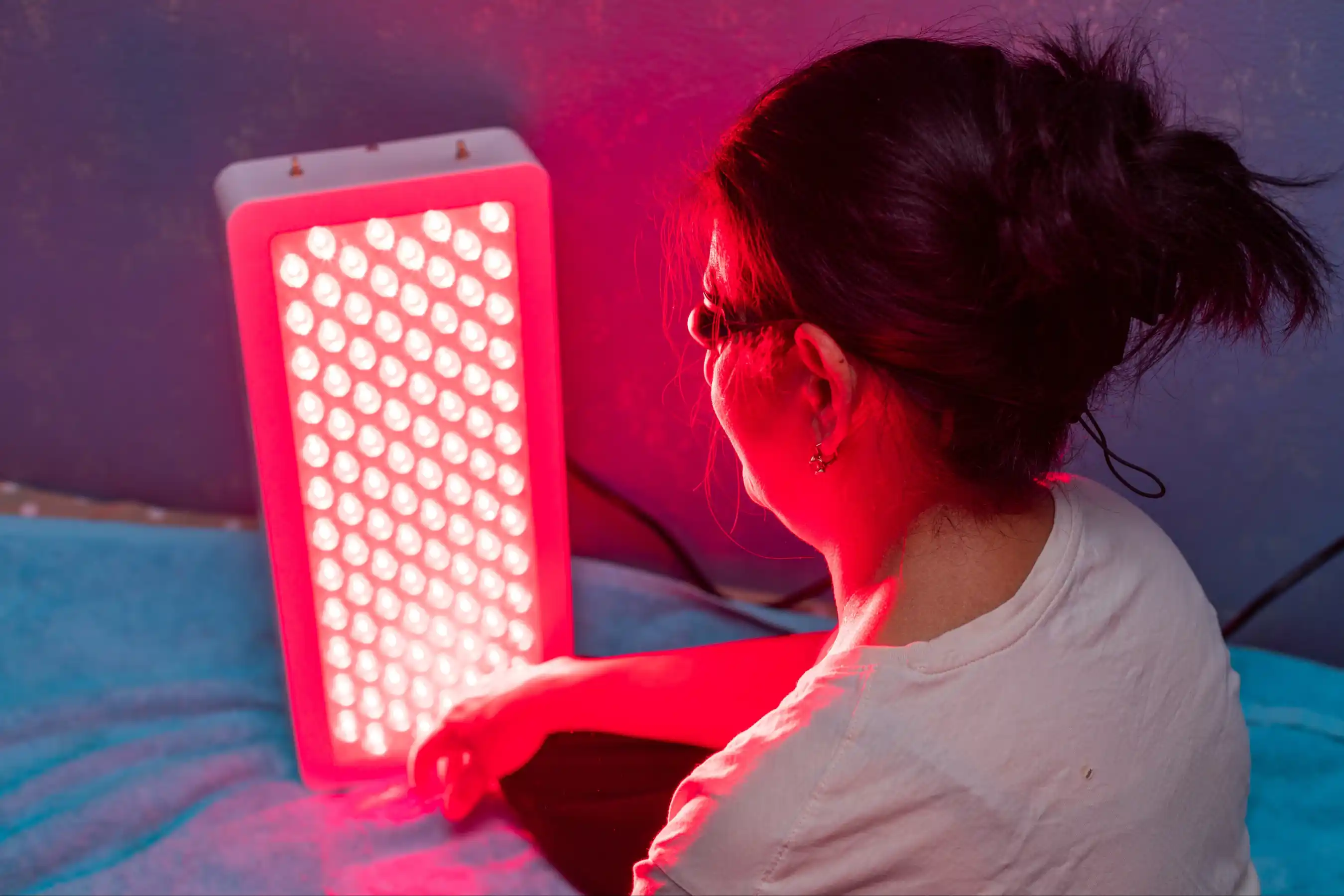
- Eye damage. Light shining directly into unprotected eyes can harm the retina, the light-sensing layer at the back of the eye. MD Anderson Cancer Center's red light therapy guide notes that its patients wear goggles and an eye shield during treatment.
- Skin irritation or burns. MD Anderson notes that some research has reported skin damage and burns, which is why proper settings and precautions matter.
- Overuse. Cleveland Clinic warns that using a device too often or not following directions can raise the chance of skin or eye damage.
- Unknown long-term effects. The long-term safety of red light therapy devices isn't fully known yet, according to Cleveland Clinic.
These risks are one reason many people prefer professional sessions over trying to figure out an at-home device on their own.
Who Should Check With a Provider Before Starting?
Red light therapy is safe for many people, but it's a good idea to talk with your doctor first if you:
- Are pregnant
- Take medicines that make your skin more sensitive to light
- Have a skin problem that hasn't been diagnosed yet
- Have a history of cancer or are currently in cancer treatment
- Have an eye condition
Cleveland Clinic recommends checking with a healthcare provider to confirm what's causing a skin problem before treating it, since red light therapy may or may not be the best option.
How Often Can You Do Red Light Therapy?
'Regular use' can look different for each person. Here's what the sources say:
- Cleveland Clinic: Many people need sessions one to three times a week for weeks or even months.
- THOR LX2: According to the THOR LX2 laser therapy page, sessions can be done two or more times a week, depending on your condition and symptoms.
- NovoTHOR: A typical session lasts 15 to 30 minutes.
MD Anderson notes that there are no large controlled studies yet that set an exact schedule for every person. That's why your plan should be built around your goals and how your body responds. Complete Health & Wellness offers single sessions, multi-session packages, and a monthly membership that includes one NovoTHOR session per week.
At-Home Devices vs. Professional Sessions
You can buy red light therapy products online, but they aren't all the same. Both Cleveland Clinic and MD Anderson note that over-the-counter devices are usually less intense than the ones used in a clinic. They're low-risk when used safely, but you may not get the results you're hoping for.
At Complete Health & Wellness, NovoTHOR delivers whole-body light in a professional setting, and the THOR LX2 uses hand-held probes for targeted treatment. The team builds a personalized plan and can answer your questions before your first session.
Get Clear Answers About Red Light Therapy Safety in Las Vegas
Red light therapy is a low-risk, drug-free option for most people when it's used correctly and on a sensible schedule. Complete Health & Wellness helps you use it safely with professional-grade devices and a plan built around your needs.
If you're ready to try it, request a red light therapy appointment online with Complete Health & Wellness and ask about NovoTHOR and THOR LX2 sessions in Las Vegas.
Frequently Asked Questions
Is red light therapy safe?
For most people, yes. Red light therapy is non-invasive, non-toxic, and does not use UV light. Cleveland Clinic notes it appears safe with no side effects when used short-term and as directed.
What are the side effects of red light therapy?
Side effects are uncommon when red light therapy is used correctly. Possible issues include eye damage if your eyes aren't protected and skin irritation or burns if a device is misused.
How often can you do red light therapy?
Many people do red light therapy one to three times a week for several weeks or months. The right schedule depends on your goals, the device used, and how your body responds.
What are the risks of red light therapy?
The main red light therapy risks are eye damage, skin irritation, and problems from overuse. The long-term safety of red light devices is still being studied, so it's best to follow a professional plan.
Is red light therapy near me safer at a clinic or at home?
Both can be low-risk when used correctly. A professional center like Complete Health & Wellness in Las Vegas uses more powerful equipment and creates a plan for you, while at-home devices are usually weaker and rely on you to use them correctly.
