Key Takeaways
- Menopause-related hormonal changes can weaken the pelvic floor, contributing to urinary leakage and reduced bladder control.
- Emsella is an FDA-cleared, non-invasive treatment that uses HIFEM® technology to stimulate and strengthen pelvic floor muscles without surgery or downtime.
- A typical treatment plan involves six 28-minute sessions over two to three weeks, and reported outcomes include improved quality of life for the large majority of patients.
- Optimal results are usually seen around 90 days after completing a full treatment plan, with some improvement often noticeable sooner.
- Menopause doesn't have to mean living with bladder control changes, and Complete Health & Wellness offers Emsella treatments in Las Vegas to help women manage these symptoms comfortably.
How Menopause Affects Pelvic Floor Health
During menopause, declining estrogen levels can affect the strength and elasticity of the tissues that support the bladder, uterus, and rectum. According to Mayo Clinic, these hormonal changes can increase the risk of pelvic floor issues, including urinary incontinence and discomfort during intimacy.
For many women, this shows up gradually rather than all at once, which is why it's easy to dismiss early symptoms as a normal part of aging rather than something that can actually be addressed.
Common Urinary Symptoms During Menopause
Pelvic floor changes during menopause can present in a few different ways:
- Stress incontinence: Leaking urine when sneezing, laughing, coughing, or exercising.
- Urge incontinence: A sudden, intense need to urinate that's difficult to control.
- Increased urinary frequency: Needing to use the bathroom more often than before.
- Reduced intimate sensation: Changes in pelvic floor strength can also affect sexual wellness.
How Emsella Works for Pelvic Floor Strengthening
Emsella uses high-intensity focused electromagnetic (HIFEM®) technology to stimulate deep pelvic floor muscles, causing thousands of powerful muscle contractions in a single session — far more than would be possible through voluntary exercises like Kegels alone. Over a full treatment plan, this repeated stimulation helps retrain and strengthen the muscles that support bladder control.
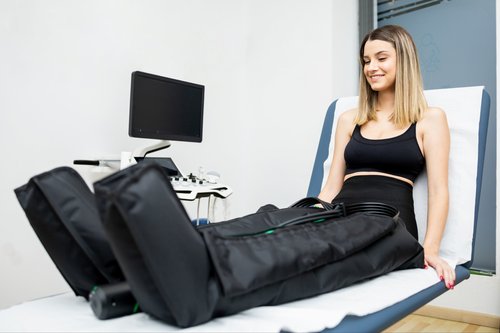
Emsella sessions are fully clothed, require no anesthesia, and involve no downtime, which makes it a convenient option for women managing busy schedules alongside menopause symptoms.
Emsella Session Overview
| Detail | What to Expect | Flexible Sigmoidoscopy |
|---|---|---|
| Session Length | 28 minutes | Lower third of colon and rectum |
| Typical Plan | 6 sessions over 2–3 weeks | Usually no |
| Downtime | None | 10–20 minutes |
| Clothing | Fully clothed during treatment | Limited bowel prep |
| Anesthesia | Not required | Yes (lower colon only) |
| Cancer Detection | Detects abnormalities throughout the colon | Detects lower colon cancers |
| Recommended For | Average- to high-risk patients | Low-risk or follow-up exams |
What Patients Can Expect from Treatment
Most women tolerate Emsella sessions comfortably, often describing the sensation as similar to intense pelvic floor muscle contractions rather than pain. Many notice some improvement after the first session, with continued progress as the treatment plan continues.
Reported outcomes from Emsella treatment include meaningful improvements in quality of life for the large majority of patients, along with a notable reduction in the need for absorbency products among women treated for urinary leakage.
Treatment Expectations and Comfort Level
Because Emsella doesn't require needles, incisions, or recovery time, most patients return to normal activities immediately after each session. According to the Urology Care Foundation, conservative approaches like pelvic floor muscle training are often recommended as a first step for stress urinary incontinence, and Emsella is designed to support and accelerate that same muscle-strengthening process.
Lifestyle Habits That Support Long-Term Pelvic Floor Health
Emsella works well on its own, but combining it with a few lifestyle habits can help extend and maintain results:
- Stay well hydrated, since dehydration can sometimes worsen bladder irritation.
- Practice pelvic floor exercises, such as Kegels, between sessions.
- Maintain a healthy weight, since extra pressure on the pelvic floor can contribute to symptoms.
- Address posture and core strength, which work together with the pelvic floor to support the lower body.
- Consider periodic maintenance sessions to help sustain results over time.
Talk to Complete Health & Wellness About Managing Menopause Symptoms with Emsella
Menopause-related pelvic floor changes are common, but they're also treatable. Complete Health & Wellness offers Emsella as a non-invasive way to help women in Las Vegas strengthen their pelvic floor and regain confidence in their bladder control.
Ready to explore whether Emsella is right for you? Book an appointment with Complete Health & Wellness to learn more about Emsella treatments for pelvic floor health.
Frequently Asked Questions
What is Emsella treatment used for?
Emsella is an FDA-cleared, non-invasive treatment that uses electromagnetic technology to strengthen the pelvic floor muscles, primarily to help with urinary incontinence and related pelvic floor concerns.
How does Emsella help during menopause?
Menopause-related hormonal changes can weaken the pelvic floor. Emsella stimulates thousands of muscle contractions per session, helping to retrain and strengthen these muscles more intensely than exercises alone.
How many Emsella sessions are typically needed?
Most treatment plans involve six 28-minute sessions completed over two to three weeks, though a personalized plan may vary.
Is there any downtime after an Emsella treatment near me?
No. Emsella requires no recovery time, and patients can resume normal activities immediately after each session.
When will I notice results from Emsella?
Some patients notice improvement after the first session, with optimal results typically seen around 90 days after completing the full treatment plan.